Friday, May 19, 2017

Got Curb Appeal?


 For home sellers, $50 spent on paint and flowers could help increase your final selling price by thousands; what investment can beat that? Here are the three secrets for making a great first impression with your home -- from Derek Thomas, whose landscaping has been featured on HGTV's Curb Appeal and Get it Sold.

Take Away, Don't Add


Gardens tend to be too crowded. Thin out plants to show pleasing "negative space," and prune lower limbs from trees to increase yard visibility. 

Result: a tranquil home.

Draw Eyes to Your Front Porch


Hang a few ferns in white planters. Install a porch swing. Place a topiary on either side of your door. 


Result: a welcoming home.

Add Color


Paint your front door red. Plant flowers by your entrance, using bright choices such as petunias, geraniums, zinnias, dahlias, sages and daisies. 


Result: a happy home. 

Monday, April 24, 2017

What to Save and What to Give Away When Downsizing

by Brianna Budny on April 20, 2017 Home Buying/Selling

Shop Junket
When downsizing your home, deciding what to keep and what to get rid of isn’t always easy. But if your new home is significantly smaller than what you’re used to, not all of your items will fit. To make your move a little easier, you may want to get rid of what you can live without before you move all of your belongings into your new home.

Some decisions can be very obvious. Of course you should save your great aunt’s engagement ring, whereas deciding to get rid of some of those books you bought but haven’t had time to read can be a little bit more challenging.

Here are a few tips to help you with these decisions!

What to Save


Items with Sentimental Value

Grandma’s quilt. Dad’s childhood dresser. Your child’s handprint painting from preschool. These are the items that make your house your home. Items like this probably have sentimental value, and you’re likely to keep them. Make sure that items you choose to keep are actually of sentimental value. You may want to keep three copies of your book report from third grade or every piece of paper your child drew on the first six years of their life, but remember that you’ll have to find room for everything. Keep only the items you value and that you’d miss if you no longer had them.

Julie Kearns, founder of Junket: Tossed & Found in Minneapolis, downsized from a home with 2,400 square feet to a condo with 800 square feet. She said she was glad that she kept “…pieces that would trigger positive memories of experiences that had happened in my previous home, and would help smooth the emotional aspect of the transition. It’s nice to have some familiarity.”

Photographs

Don’t throw your photos away if they can’t be replaced or if you may regret getting rid of them later. If you don’t want to keep physical copies of your photos, you can always scan them into your computer and then give the physical photos away to a friend or family member who wants them. Make sure you give yourself plenty of time to scan all of your photos before you move, or plan on taking the photos with you.

Important Documents

When you’re getting rid of things, be careful to not throw away any important documents. Keep an eye out for things like birth or death certificates, social security cards, marriage licenses, passports, wills and/or trust papers, high school and college diplomas, property deeds or vehicle titles, tax forms, old medical records and any military service documents. Some of these items are irreplaceable or are very difficult to replace.

“I recommend organizing any paper messes before you move so you don’t transfer both the organizational and physical clutter into a newer, smaller space,” says Kearns.

Fine or Heirloom Jewelry (and their Original Boxes)

Make sure you don’t toss out any valuable jewelry. Even if a piece doesn’t have sentimental value, its monetary value may be worth saving. You can save valuable jewelry for your family or friends, or decide to sell it later. Jewelry can also be worth more if you keep the original packaging.

Small and Multifunctional Furniture

When you downsize, you have less room for all of the furniture that used to fit in your larger home. In a smaller home, functionality is very important. For example, if an ottoman has built-in storage, it’ll be more useful than having two pieces of furniture – one for sitting or using as a footrest, and one for storage. If you purchase new furniture, think about getting compact furniture, which can make a smaller room feel larger.

What to Give Away and Where to Start?


When making the decision to downsize, make sure to carefully consider what will be the right size home for you and your family. The size of the home you’ll be moving into can affect the amount of possessions you get rid of.

Downsizing will be a lot easier if you give yourself time to go through the items in your home before you move. You don’t want to make a quick decision to get rid of half of your stuff and regret it later.

Molli Carson from Makespace downsized from a spacious home in suburban California to a tiny bedroom in the heart of Brooklyn. She shared a key tip about sorting through your things when downsizing: “Don’t do it all at once. Downsizing requires a continual process of purging. There’s a fine line between ‘need’ and ‘want,’ and it may take awhile before you’re able to distinguish between the two.”

The easiest place to start is with the “extra” things in your house. The amount of extra items we accumulate that have little to no sentimental value is surprising. If you find items like this in your home, you can probably get rid of them first:

  • Old magazines and newspapers
  • Old receipts
  • Unread books
  • Old/outdated electronics (make sure to clear all personal information before getting rid of electronics)
  • Outgrown and outdated clothes
  • Socks without a match
  • Mismatched food storage containers
  • Old towels and sheets
  • Toys and puzzles that are missing pieces
  • Old cosmetics and toiletries
  • Old spices
  • Unused kitchen appliances, cookbooks and other gadgets
  • Old CDs and DVDs (and VHS tapes if you still have them)
  • Coffee mugs or other drinkware you don’t use anymore
  • Probably all of the things in your junk drawer (you know I’m right)
  • Metal hangers from the dry cleaner
Don’t just throw items you’re getting rid of into the garbage. Separate these items into two piles: donate and sell. Some items are probably still in good condition (especially the larger items, like appliances and furniture), and can be sold in a garage sale or on a website like Craigslist. This could be a good way to make a little extra money for your move. Items that are gently used and functional, but you aren’t able to sell, can be donated to a local charity.

Sunday, April 9, 2017

Where Can You Get Affordable Financial Advice?

by Zina Kumok on March 24, 2017 in Saving Money

When I was trying to pay off my student loans in three years, I looked for financial advice in every avenue I could think of. I posted on Reddit forums, asked my parents and talked to my friends.

I really wanted to talk to a professional financial advisor, but I couldn’t justify spending a few hundred dollars on advice. I was trying to be frugal and limit my discretionary spending, and that included financial planning.

Thankfully, I was able to find a lot of free and affordable help. Even now when I have a financial question, I turn to my trusty resources before I pay for someone’s help. Read below to see my favorite picks for free financial resources.

Financial Planning Days

When I was paying off my student loans and struggling to save for retirement, I found help at Financial Planning Days, an annual event that connects financial planners and the general public.

Located in more than a dozen cities around the country, Financial Planning Days recruits planners who volunteer their time for free. They also offer themed lectures, such as “20 Keys to Being a Smarter Investor” and “Planning for the Costs of Higher Education.”

Unfortunately, this event isn’t available in every city. If your town does offer it, make sure to register in advance and bring a list of your specific questions.

United Way

One of the primary goals of United Way is to empower people financially by working with volunteer experts who can offer tips or classes on financial wellness, career training or job hunting in the communities they serve. Many local United Way chapters teach financial education, credit counseling and more. These centers often have resources in both English and Spanish and are low-cost or free.

Library

One of the best places to find free financial resources is the library. Most libraries are stocked with personal finance books written by industry professionals ranging from Dave Ramsey to Farnoosh Torabi. If your library doesn’t have the title you’re looking for, put a request in.

These books can give you a basic financial education and answer everything from how to create a budget to how to pay off debt. You can also find books on complex subjects like how to buy a rental property and how to start investing for your retirement.

Libraries also often have free workshops and seminars. For example, my local branch at the Denver Public Library hosts a Financial Resilience Workshop to discuss Social Security benefits. Many libraries also offer free tax help in the spring.

Personal Finance Blogs

If you’re reading this article, you’ve already discovered one way to improve your financial literacy: reading blogs. There are tons of financial blogs out there that talk about side hustles, starting a business, paying off debt and more. Some cater to particular audiences such as Christian families or single women.

Here are some great resources to find the personal finance blog that’s right for you:


Financial Podcasts

Whether you want to pass time during your daily commute or just prefer listening instead of reading advice, financial podcasts tend to pack a lot of value into their segments with stories and interviews that personalize money matters. Here are some financial podcasts that are worth your time for general advice and information on how evolving technology is improving the finance industry.

What to Know

Most of these resources won’t be able to tell you which investments to choose or how to retire in 10 years. If you truly want your specific questions answered, a financial advisor or coach might be your best resource. But if you’re like me and looking to see what other people are saying, then you should check out what we’ve listed here.

I learned how to budget, pay off my loans and start saving for retirement by utilizing some of the services listed above. Yes, a financial advisor can help you, but if you’re looking for free help, it’s out there, too.

Saturday, March 4, 2017

How Do You Buy Your First Investment Property?

by Patrick Chism on February 16, 2017 in Home Buying/Selling

Purchasing your first rental property is a big step for any investor. It’s one of the largest assets you can buy, and with a little bit of time and effort, it can be a great way to generate passive income. But before you become a real estate mogul and start building an empire, you should start with the basics. Knowing how to find a house, get a mortgage and fill it with good tenants are all essential aspects of purchasing your first rental property.
Let’s take a look at the steps you’ll need to take to purchase your first investment property, as well as the challenges you may face along the way. While purchasing a rental property is similar to buying a primary residence, there are some unique differences that you’ll need to consider. With these tips and tricks, you’ll have the information you need to make the process as smooth as possible.

Is an Investment Property Right for You?

Buying a rental property isn’t for the faint of heart. Not only do you have to consider the mortgage and the operating costs, but you also have to think about the tenants, who can either make or break your investment. There’s usually more risk involved with owning a rental property than investing in the stock market. After all, if you managed to get stuck with bad tenants who don’t pay rent on time, your returns aren’t just reduced – they’re nonexistent. Sure, the stock market may only be pulling in 4% to 5% annually, but you can count on that with some level of confidence. You’re taking a bigger gamble with an investment property.
But with a bigger gamble also comes the opportunity for a bigger reward, and this is especially true for investment properties. In 2016, the average gross yield for rental investors was 9.4%, which is slightly down from previous years but still significant. For some context, the average annual return on the Dow Jones over the last 10 years has been 4.8%. That’s nothing to write home about.
In addition, you have more influence over your investment property than you would the stock market. For example, even if you bought every bottle of Diet Coke in your local grocery store, you probably wouldn’t be able to affect Coca-Cola’s stock price (at least not noticeably). There are so many factors at play. When it comes to the stock market, you’re riding a wave that’s already in place.
With an investment property, though, small changes – such as a new door or some minor improvements to the kitchen – can improve the likelihood of wooing good tenants at higher monthly rents. With investment properties, not only are you riding the wave, but you own the wave. It’s a great choice for that investor who wants a more hands-on opportunity.

How to Get a Mortgage for an Investment Property

A big question for people buying a property, whether it’s an investment property or a primary residence, is “How much house can I afford?” Start by looking at a mortgage calculator to get an idea of rates and monthly payments, and then you can get preapproved to see how much money you qualify for. Make sure that you tell your home loan expert that you’re interested in buying an investment property, which has different rules than a primary residence.

Get Preapproved First

One of the biggest pitfalls that home buyers of any kind make is searching for a property before securing financing. Let’s say, after months of searching, you find the perfect rental property. But by the time you get preapproved for a mortgage, the house is already under contract with another buyer. Get preapproved now and have the ability to jump on a good deal at a moment’s notice.
Another problem with searching before being preapproved is that you don’t actually know how much money you qualify for. It would be heartbreaking to be looking at houses at one price range, only to find out that you qualify for less. Getting preapproved allows you to make an educated decision about the investment property you plan to buy.

Agency Loans for Investment Properties

For an investment property, you’ll likely use an agency loan, which means the loan would be backed by Fannie Mae or Freddie Mac. In most cases, you won’t be able to get an FHA or VA loan for an investment property. The exception to this would be if you purchase a multiple-unit property and plan to live in one of the units and rent out the others. If you’re planning to go this route, you should start by talking to a Home Loan Expert.

Requirements for Purchasing an Investment Property

The agency loans available to you will either be a fixed-rate mortgage or an adjustable rate mortgage (ARM). Both of these options have specific requirements when it comes to the down payment and credit score.

What Credit Score and Down Payment Do You Need to Buy an Investment Property?

For a fixed-rate mortgage, the minimum credit score requirement on a single-unit investment property is 620, and it will require a 20% down payment. If you have a credit score of 720 or above, however, you are only required to put down 15% on a single-unit investment property.
For an adjustable rate mortgage, the minimum credit score is 620 and will require at least 15% down on a single-family investment property.
If you’re interested in purchasing a multi-unit property, reach out to a Home Loan Expert to discuss the requirements and options.

Other Requirements to Qualify

Other than the down payment, the requirements for a rental property are somewhat similar to that of a mortgage for a primary residence. You’ll still need to follow the 2/2/2 rule: provide two years of tax returns, two years of W-2s and two months of bank statements to your mortgage company, as well as have your assets verified.
Your mortgage company will also want you to have six months of mortgage payments in reserve in order to give yourself some buffer room in the event that you go through an unexpected financial challenge.

Why Should I Get a Mortgage for My Investment Property?

If you have the means to pay for an investment property in cash, getting a mortgage could still make sense for your situation, especially if you’re planning on getting multiple investment properties. For instance, let’s say that you have $100,000 sitting in the bank. Your first option is to buy a house in cash for $100,000. While you will get a larger cash flow on that investment, it ties up all of your cash in a single place.
If, however, you get a loan with 20% down, you could potentially purchase another house or two at the same price with the remaining $80,000. While your immediate cash flow is lower, these returns will grow in the long-term, especially as rents increase and the mortgages get paid off. You’re building assets at a quicker pace when you go with a mortgage instead of cash.
In the event that you purchase an investment property in cash, there may still be beneficial loan opportunities for your situation. James Milne, a product manager at Quicken Loans, explains that “a large percentage of investment properties in the U.S. are owned without a mortgage, so there is plenty of opportunity to free up cash or take out equity to improve a property. A cash-out refinance is a great option for these clients.” This option can help your investment work for you.

How Do I Determine the Potential ROI for My Rental Property?

When looking for a great investment property, the first question you need to ask is “Can I actually make money?” If the answer is no, it’s obviously not a great investment. To see how much money your property could potentially make, you’ll need to consider the return on investment (ROI). The ROI can be calculated by first finding the property’s net annual income. This is the rent money that’s left over after you’ve paid the taxes, insurance, property management fees, expected repairs (plan to spend 1% of the property value on this), potential vacancy periods, HOA fees (if applicable) and any utilities that aren’t going to be covered by the tenant. To find the ROI, take the annual income and divide it by the amount you spent on the property. For example, if the net annual income is $7,500 and you spent $100,000 for the property, your ROI is 7.5%.
Use this calculation to see if each rental property is a good potential investment.

What Makes a Good Investment Property?

When scanning neighborhoods for your first rental, there are a few specific requirements you should be looking for. In a nutshell, you want a house that requires low maintenance, has limited vacancies and allows you to have a good rent-to-value ratio.

No Fixer-Uppers

One of the biggest mistakes that new real estate investors make is buying a fixer-upper. If the ad says the property “needs a lot of TLC,” just move on to the next house. I’ve fallen for this one myself once and managed to get an “amazing deal” on a house that was missing interior walls, required new plumbing throughout and had a basement that flooded on a semi-monthly basis. There are few worse feelings than realizing that your cash cow is actually a money pit.
The exception to this rule is, of course, if you’re knowledgeable about home repairs. If you have extensive handyman skills (or know someone who does), you may be able to deal with these extensive repairs better than I did. But as a general rule, it’s going to be less of a headache to just purchase a house that’s already in workable condition. And they’re out there. So in the meantime, do your best to resist the allure of a fixer-upper.

No Vacancy

If you don’t have paying tenants, your investment property’s not good for much. You want to make sure that your property is attractive not just to any tenant – but to good tenants who pay on time and don’t shove their Cosmo magazines down the toilet (speaking from experience).
Depending on your location, some places just tend to have lower vacancy rates, such as San Jose, Calif., and Fort Collins, Colo., which were both rocking a 0.2% vacancy rate in 2016. You can do some research on the neighborhood you’re looking at, but when it comes right down to it, spend time driving around the streets near your potential property. Simply looking at the level of care given to the houses in the surrounding area can give you a good idea of which houses are vacant and which are not.

The 1% Rule

A big question from new investors is “How much should I rent a property for?” Seasoned investors sometimes use the 1% rule, which states that the rent each month should be at least 1% of the purchase price. For instance, if you purchased a house for $100,000, you would need to charge – at the very least – $1,000 for rent. This, of course, isn’t always true for investors, and some will settle for a slightly lower return.
In order to make sure that a potential property can receive that kind of return, check out Zillow, which offers an estimated monthly rental price – called a Rent Zestimate – that will allow you to get a good idea of the rent amounts in the area. It’s not a perfect measurement, and in my own experience, you can usually get a higher amount of rent than what’s listed, but it does give you a ballpark number.

Are You a Landlord?

When you start buying investment properties, you need to take some time to think seriously about your ability to manage your properties. It’s a tough job being a landlord – tougher than most people think – and I’ve seen many an investor become overwhelmed by the time it takes to be a good landlord.
Fun fact: Be on the lookout out for this kind of investor. They sometimes burn out under the weight of their landlording duties and just sell their whole portfolio at once. It’s usually a good time to swoop in and buy.
But the point is that not everyone is cut out to be a landlord. It’s an intense and time-consuming line of work, especially if you already have a day job. For this reason, I highly recommend getting a management company to do this work for you. Sure, you’re probably spending 9% to 11% of the rent on this service, but they will take care of the tenants’ needs and collect the rent. And in the unfortunate event that a tenant needs to be evicted, they’ll help handle that process, too. Time is often more important than money, and letting go of this stress gives you the freedom to pursue additional investments.

Keeping Track of Repairs

Since you’re making income from this investment property, you’ll be expected to pay income taxes, but the good news is that rental properties offer some great tax benefits. Whether you’re hiring someone to make a repair, paying interest on the mortgage or simply driving to your property, there’s a wide range of potential deductions. Words of wisdom: You’ll need to make sure you keep track of these expenses – which means receipts – on the off-chance that the IRS comes knocking. To get the full value of your investment property, you should be making the most of your tax deduction opportunities.
This is another perk of using a management company. They’ll keep track of all of your rental expenses and send them to you in a nice document during tax season. Once again, the amount of time this saves you is worth the money.

Getting Started

While there are many variables to consider when purchasing your first investment property, you should start by doing your research. Look at housing prices and neighborhoods and begin saving for a down payment. And when you’re ready to dive head first into the real estate game, you can start by getting preapproved for a mortgage.

Monday, January 30, 2017

Five Reasons To Hire a Tax Pro To Prepare Your Income Taxes

by Jeremy Conn on January 19, 2017

You can start filing for your 2017 individual income tax season starting January 23. So, do you take care of it yourself or do you hire a professional?

If you’re looking to save some money, preparing your taxes yourself can be tempting. I used to take advantage of IRS.gov Free File so I could save a few bucks, but that was when my returns were simpler. It was also before I researched, and eventually hired, a professional.

While the self-service tax industry seems to be more popular than ever, after speaking to some Enrolled Agents (EA), the only federally licensed tax practitioners, I’m glad I’ve decided to hire a tax professional.

Before you prepare your own taxes this year, consider these five reasons you should hire a tax professional for yourself.

Your Tax Situation Isn’t Simple

If your tax return is simple, you could probably get away with filing your taxes yourself, according to Crystal Stranger, EA and president of 1st Tax. “Generally speaking, if your only income is wages that come on a W-2, you do not have children and you don’t have work-related business expenses you claim, then self-preparing is probably the best way to go.”

So if you own a business, have children, have 1099 income or any other more complex tax situations, you’d probably be better off, and receive a better return, to hire a tax professional.

You Don’t Want to Risk Wasting Time or Money

Whether your return is simple or complex, if you handle the filing of your own taxes, there’s a chance you could make a mistake. And if there’s one place you don’t want to make a mistake, it’s on your taxes.

“I fix many mistakes from DIY folks. They come running in with tax notices, howling that they now owe thousands of dollars for their errors,” Abby Eisenkraft, an EA at Choice Tax Solutions Inc., explains. “And when I ask about certain items, they tell me that they didn’t understand the interview questions.”

My tax person charges only $65, which is a price I’ll gladly pay to avoid some IRS-induced stress. And just like making an illegal left-hand turn, ignorance of tax law is no excuse.

Tax Law Is, Well, Law

There’s a reason my tax person can charge $65 for less than an hour of work – tax law can be hard to understand. Plus, there are changes every year, which can make things more difficult for people trying to file their own taxes.

“EAs must maintain their competency in tax matters by taking at least 24 hours of continued education each year,” says Ira Smilovitz, an EA at Glenwood Tax Services.

He continues, “If you don’t know what you’re doing, you will produce a pretty return that’s useless.”

You Want the Best Possible Return

Do you want the best possible tax return refund? I’ll wait for your eye roll to complete … of course you do! You probably already have 10 ideas of what you can spend your refund on.

Thomas J. Williams, an EA who operates Your Small Biz Accountant, explains, “Your tax return is the foundation for a number of tax credits, as well as the source document for a variety of third-party opportunities, such as student financial aid and loans.” He advises that you work closely with a licensed accountant so you’ll have a more strategic return that’ll lead to a more favorable return. 

You Want Personalized Advice to Plan Ahead

Even if you have a simple return, it may be worthwhile to hire a professional, especially if you think you’ll be in a different situation in the coming year.

If you’re switching jobs, buying a new house, planning to invest funds or anything else that will change your return for next year, a professional can help you plan ahead.

“They miss the opportunity for great advice,” Eisenkraft says. “Even a taxpayer who doesn’t currently have a complex return may not understand the benefits of a 401(k). I can show them the difference in what the tax return could look like, as well as point out benefits for the following tax year.”


While preparing your own taxes may be more convenient and cheaper, especially in the short term, it only takes one error to make it not worthwhile.

Monday, January 9, 2017

Investing in 2017: Why It Could Be Tricky


by Patrick Chismon January 6, 2017 from Saving Money


It’s a fascinating time in the world of investments. Prior to the U.S. election, it was largely predicted that, first, Donald Trump would lose to Hillary Clinton and, second, if Trump somehow won in November, the stock market would abruptly plunge 1,000 points. As it turns out, the popular opinion was wrong on two counts. Trump did in fact win the presidency, and instead of the market plunging, it skyrocketed 1,200 points in the four weeks since his victory.

The strength of the stock market is a response to President-elect Trump’s promises, many of which seem business-friendly, such as lower taxes, fewer regulations and the general goal of job growth. Since the election, the Dow Jones Industrial Average has even come close to topping the 20,000 mark.

So as an investor in 2017 – whether you’re a veteran or new to the game – what does all this news mean for you? In a nutshell, there’s still a lot of uncertainty about whether these increases are a sign of growing momentum in the U.S. or if the economy will fluctuate as the Trump administration settles into the White House. All that said, there are some industries that you should consider investing in now that the new year has arrived. Let’s take a look at three industries that could be good investments in 2017.

Note: Before you decide to invest, make sure you do your own research and speak with a financial advisor.

Infrastructure

Trump has plans to rebuild the nation’s infrastructure. This isn’t a new idea, as the Obama administration promised a $787 billion stimulus measure, some of which was allocated to bridges and roads. It caused some positive waves in construction and engineering stocks for a period of time and then settled back down once the legislation was actually signed.

According to online investment resource Motif, Trump’s plans will likely cause at least an immediate boost in infrastructure-related industries, such as energy, construction and manufacturing. But depending on how the legislation actually pans out, these gains may lose steam.

Health Care

With many medical advances being made – such as Alzheimer treatments and cardiovascular preventive drugs – 2017 may see a rise in health care stocks. With a faster FDA drug approval process and ever-moving technological advancements, drugs and treatments are getting better, as well as easier to produce. In addition, with the Baby Boomer generation transitioning into their 70s, there’s sure to be a greater focus on health care.

From a political perspective, there are still a few pieces up in the air. Given that President-elect Trump is promising to get rid of Obamacare, the outlook on this one is still hazy.

Technology

Between artificial intelligence (AI), big data and the Internet of things, technology is an ever-accelerating force that could be a great investment decision for you in 2017. Self-driving cars, which were previously thought to be over 10 or even 20 years away from being available to the general public, are now predicted to be just five years away. Ford has even said it plans to build its own self-driving cars for a ride-sharing service starting in 2021.

As for AI, companies like Facebook, Microsoft and Apple are investing heavily in improving their technology, which means Siri and Alexa may be getting upgrades in the next few years.

With regard to the upcoming presidential administration, there is thought to be a $1.6 trillion opportunity in this area within Trump’s infrastructure plan.

Stocks in 2017

With such rapid changes in the world of politics, it can be difficult to make an accurate prediction of what’s coming in 2017. But use this information to give yourself a foundation of facts to make your investment decisions. And if you’re looking for some specific stocks to buy before Trump takes office, check out this stock buying guide from our friends at the Motley Fool.

Saturday, December 10, 2016

Tips for Lighting up the Holidays

by Maegan Wyrzykowski on November 17, 2016 Home Decorating


Before Thomas Edison invented the lightbulb, candles were used to light up trees during the holiday season. Can you imagine having candles burning on a tree inside your house? As I’m betting you can imagine, this led to many house fires. Thanks to Edison and his friend Edward Johnson, the first-ever string of electric lights was put together in 1882.

Holiday lights aren’t just used for trees anymore; they’re used in many different ways. From decorating stairs to lighting up the outside of your house, string lights have become a necessity when the holiday season rolls around. If you’re anything like me, you’re busting out the lights and decorations on November 1 every year.

Here are some safety tips, tools and trends for lights during the 2016 holiday season.

Safety Tips from Mr. Electric

  • Read labels. When hanging lights outside, read the back of the packaging to make sure they’re safe for the outdoors.
  • Don’t use metal. When hanging lights outside, using a plastic or wooden ladder helps prevent electrical shocks.
  • Don’t overload extension cords. Having more than three strings of lights on one extension cord can cause overheating and could potentially start a fire.
  • Don’t leave lights on. Always remember to turn your holiday lights off whenever you’re leaving the house or going to bed. If you’re forgetful like me, opt for an electric timer and program it to turn your lights on and off at specific times.
  • Examine all wires. Whether they’re new or old, always examine your wires before plugging them in since frayed wires are a fire and shock hazard.
  • Buy new lights regularly. Older lights are a fire hazard. Buying new lights every year may be expensive, so wait until the end of the season when lights are on sale and save them for the following holiday season.

Holiday Light Tools

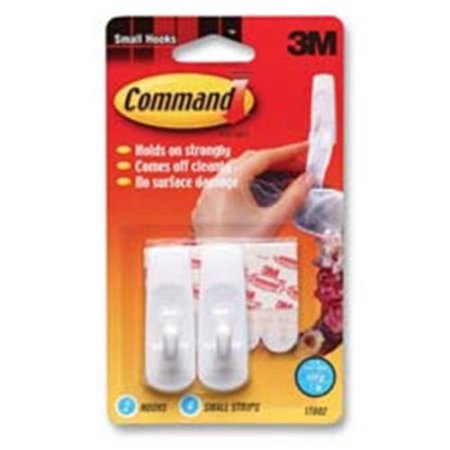
  • Command Brand hooks and clips are something to consider if you don’t use them already. They’re a great way to hang up lights indoors and outdoors, with no damage to your house. Command Outdoor Light Clips stick to siding, windows or gutters, and they are specifically designed for outdoor use, so you don’t have to worry about your decorations falling down.
  • Twist and Seal products are a great solution for protecting plugs outside from shocks and shortages. They’re weather resistant and come in green so that they can be easily hidden by trees and bushes. Twist and Seal also has a new cord protector made for protecting extension cords.
  • There’s nothing worse than untangling your lights, only to find out that a bulb is dead. The LightKeeper Pro is a great tool for this situation. This device sends a pulse through the entire string of lights, finds the dead bulb and fixes the shunt.

2016 Trends

  • According to the DIY Network, LED lights are better than incandescent. They might cost more than incandescent lights, but they last longer. They can also save you around 80% on energy costs.
  • The debate over colorful lights versus white lights is still ongoing. Personally, I love when I drive past houses with strings of colorful bulbs wrapped around the façade and in the bushes because it reminds me of a gingerbread house. Both types of lights have their proponents, so use whichever suits your fancy.
  • I’m sure you’ve seen the videos of houses with Christmas lights that turn on and off to the beat of songs. This has become increasingly popular over the years. With the help of GE holiday lighting products, you, too, can have a spectacular show on your front lawn! GE Color Effects products come with a remote control, allowing you to choose from six colors and 40 functions.